
Our History
A Century of Catholic Rural Life
Catholic Rural Life was founded in 1923 in response to a real problem in rural America.
Catholics in small towns and farming communities were often separated by long distances and limited resources. Many did not have the same access to formation, support, or fellowship that others did. Catholic Rural Life was founded to help close that gap and to make sure rural Catholics were not left on the margins of Church life.
Here is how that mission has grown over the past 100 years:
1920s
In the early ‘20s, the rural Church was severely underserved. Fr. Edwin V. O’Hara saw this problem firsthand in his ministry and resolved to do something about it.
On November 11, 1923, he convened a meeting of bishops, priests, and laypeople in St. Louis to discuss these challenges, and together they founded the National Catholic Rural Life Conference (NCRLC). Our early years focused on rural religious education and anchoring Catholics to the land.
1930s–1940s
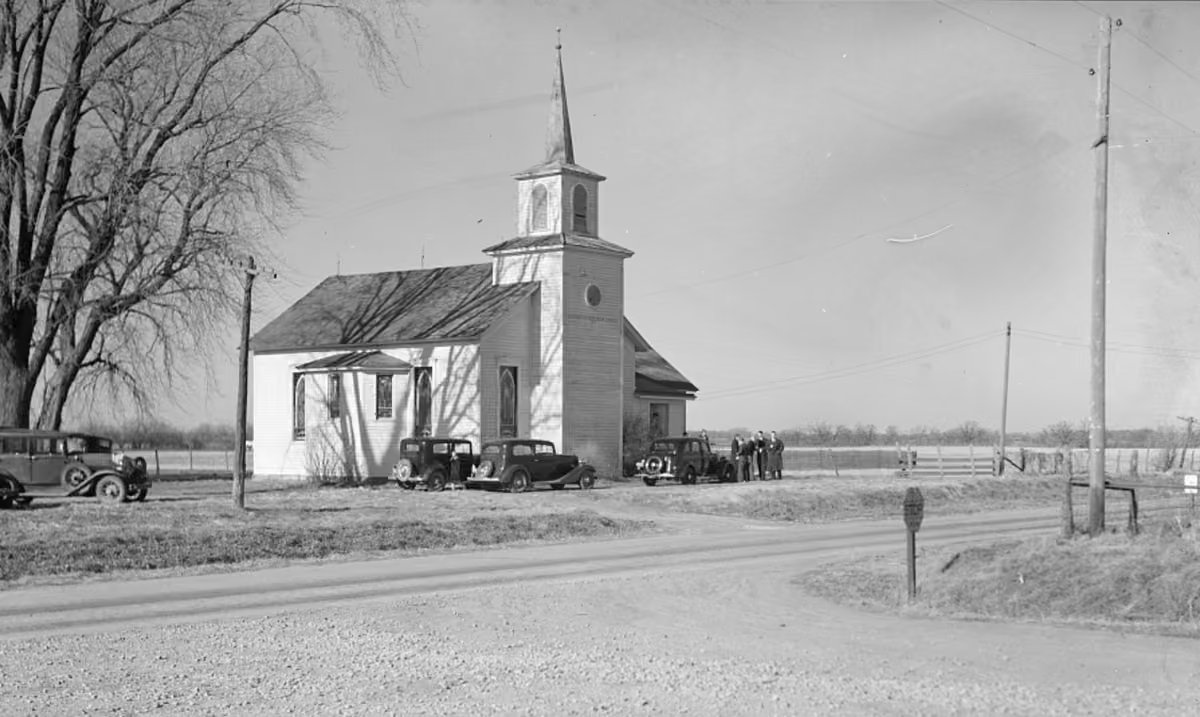
The Great Depression placed enormous strain on farmers and rural families. During this time, we turned more of our attention to the economic hardships facing rural Americans. The organization grew exponentially in the ‘30s and built a network of diocesan rural life directors. In 1940, Msgr. Luigi G. Ligutti became the leading public voice of NCRLC and established a national office in Des Moines, Iowa.
1950s
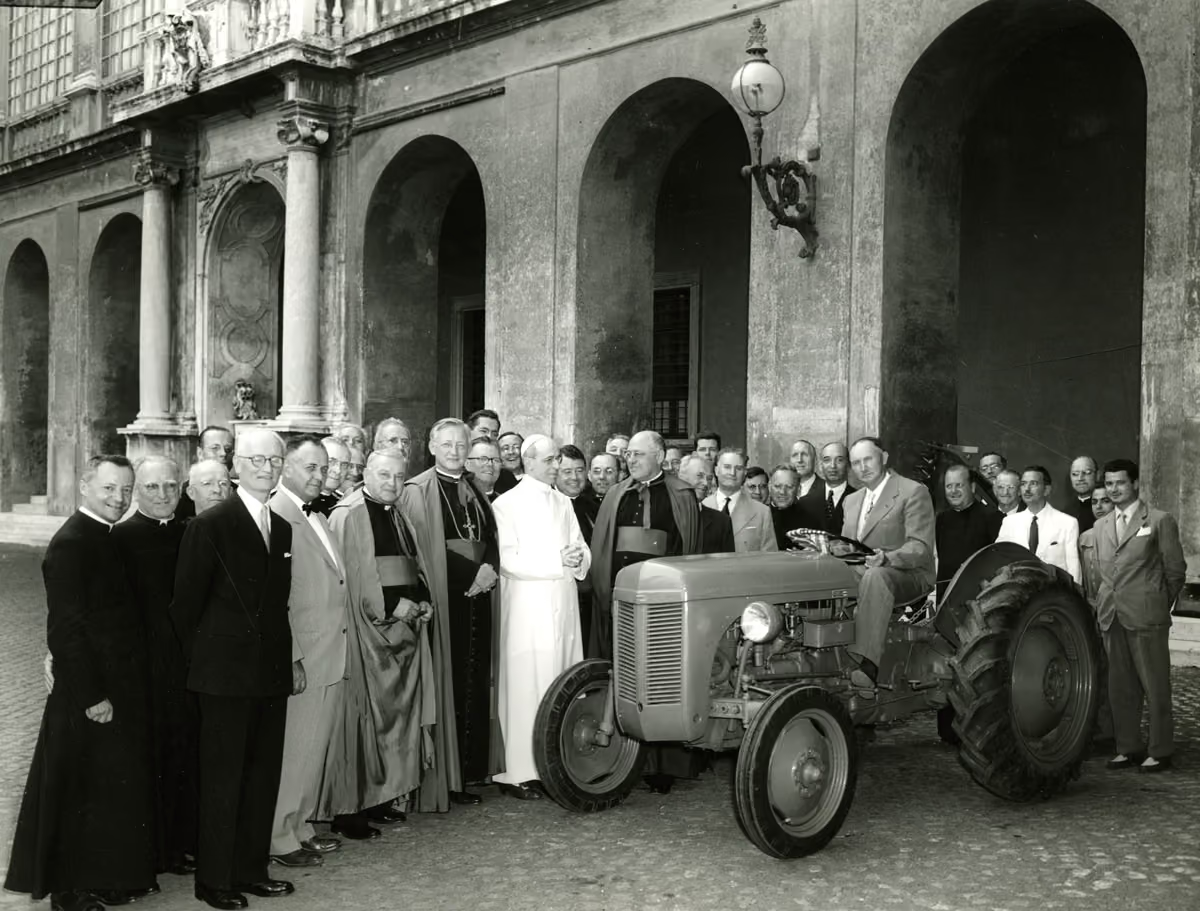
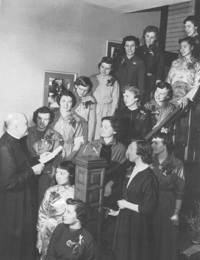
In the ‘50s, NCRLC focused on forming leaders who could strengthen the Church in rural communities. At the same time, we realized our message was not fully reaching the average Catholic farmer. So we strengthened our spiritual outreach through liturgical revival, retreats, and devotions rooted in the rhythms of rural life. We developed the Rural Life Prayerbook, promoted Rogation Day processions and blessings for fields and farms, and named St. Isidore our official patron.
1960s–1970s
The ‘60s and ‘70s intensified pressures on rural America—poverty, social unrest, land reform, and the use of natural resources all demanded attention. Soil was eroding and water tables were declining. The NCRLC responded on several fronts, supporting community-based projects to aid the poor, raising early concerns about land reform, and urging greater stewardship of the land. We also renewed our focus on bringing the Gospel to rural people.
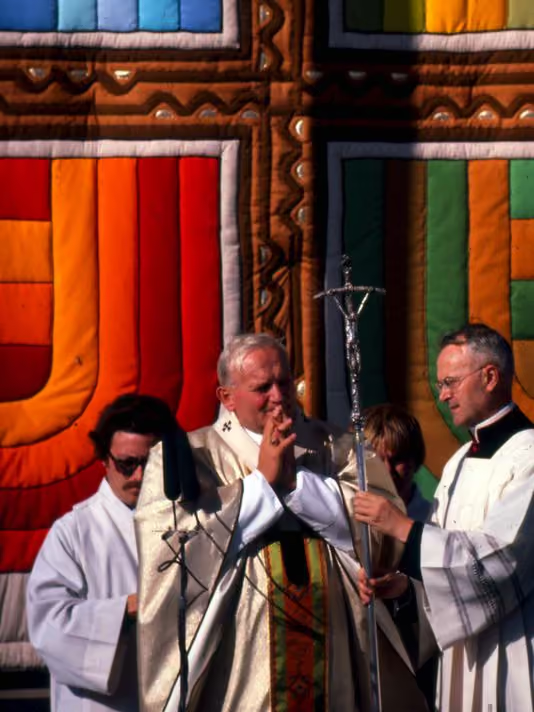
In the years that followed, the Conference adopted major policy statements on land use, energy, and water. The three-year Heartland Project was a major moment for NCRLC, which produced the pastoral letter Strangers and Guests: Toward Community in the Heartland. In 1979, Saint Pope John Paul II celebrated an outdoor Mass in Des Moines with approximately 350,000 people present. Ten NCRLC members from across the country served as official representatives of the Conference during this papal visit.
1980s
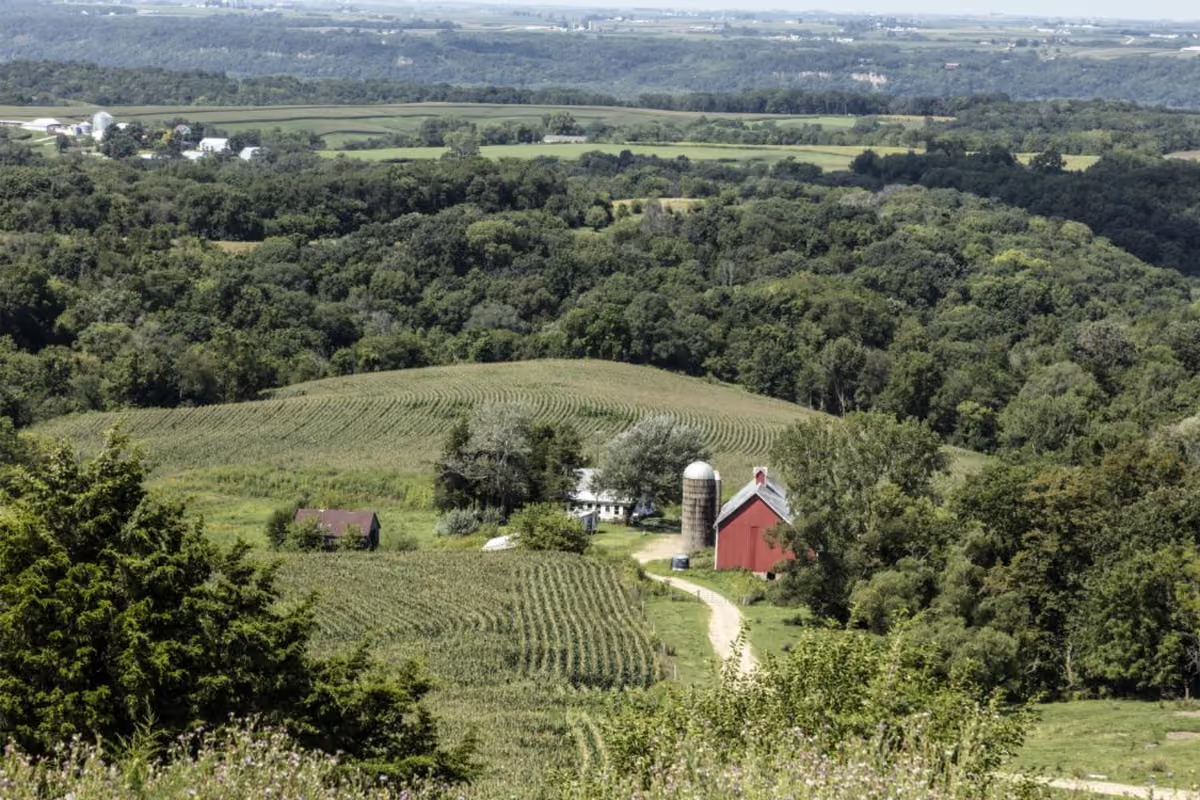
The ‘80s brought a full-blown farm crisis. After years of pressure from falling prices, rising interest rates, growing debt, and widespread foreclosures, many rural families found themselves under enormous financial and emotional strain.
NCRLC stood with rural families both pastorally and publicly—joining foreclosure rallies; helping to develop counseling programs, peer support, and retreats for farm couples; and working to challenge the policies that had contributed to their hardship. NCRLC again became active in shaping national food and agricultural policy. Another focus of the late ‘80s was strengthening diocesan grassroots efforts and restoring confidence among rural life directors.
1990s–2000s
In this season, the NCRLC became more publicly outspoken and engaged directly with moral questions affecting rural Catholics. We relaunched the Catholic Rural Life magazine, developed other publications, and spoke around the country. In 1997, our Board of Directors called for a moratorium on large-scale livestock and poultry confinement facilities.
At the turn of the century, we launched Eating is a Moral Act, an initiative that educates the public and advocates for the rights of growers and eaters. We began the third millennium with renewed focus on sustainable agriculture, climate change, environmental justice, and a new kind of Farm Bill. In 2002, we started our weekly electronic bulletin and expanded our website to share information about agriculture, food, and the environment in light of Catholic social teachings.
2010s
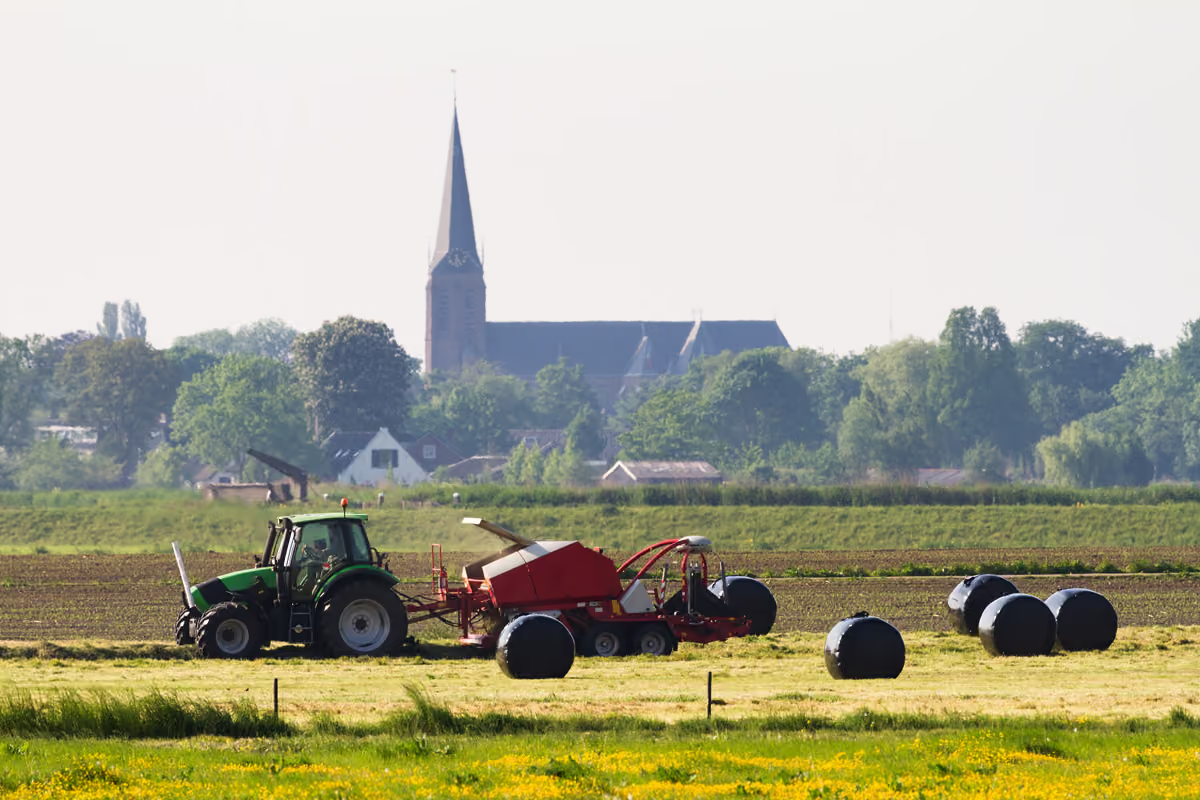
By 2010, the needs of rural ministry were shifting, and this called for a new kind of response from NCRLC. We reorganized our programming around three areas of impact: Ethical Food and Agriculture, Rural Outreach and Ministry, and Stewardship of Creation.
Declining priestly vocations was stretching many communities thin, so we developed the Life in Christ Lay Leadership Program to equip laymen and women in rural communities to lead spiritual formation programs in their parishes. We also launched the Rural Ministry Practicum, introducing future priests to the particular challenges of rural ministry.
In 2013, the NCRLC officially became Catholic Rural Life. We moved our headquarters to St. Paul, Minnesota, in 2014. That same year—in partnership with the Pontifical Council for Justice and Peace—we hosted the Faith, Food & the Environment symposium. This led to the launch of The Vocation of the Agricultural Leader, a project affirming farming as a God-given calling and encouraging food and farm leaders to see their work as a noble vocation. Then, in 2019, we received a Lilly Endowment grant to begin Thriving in Rural Ministry.
Today
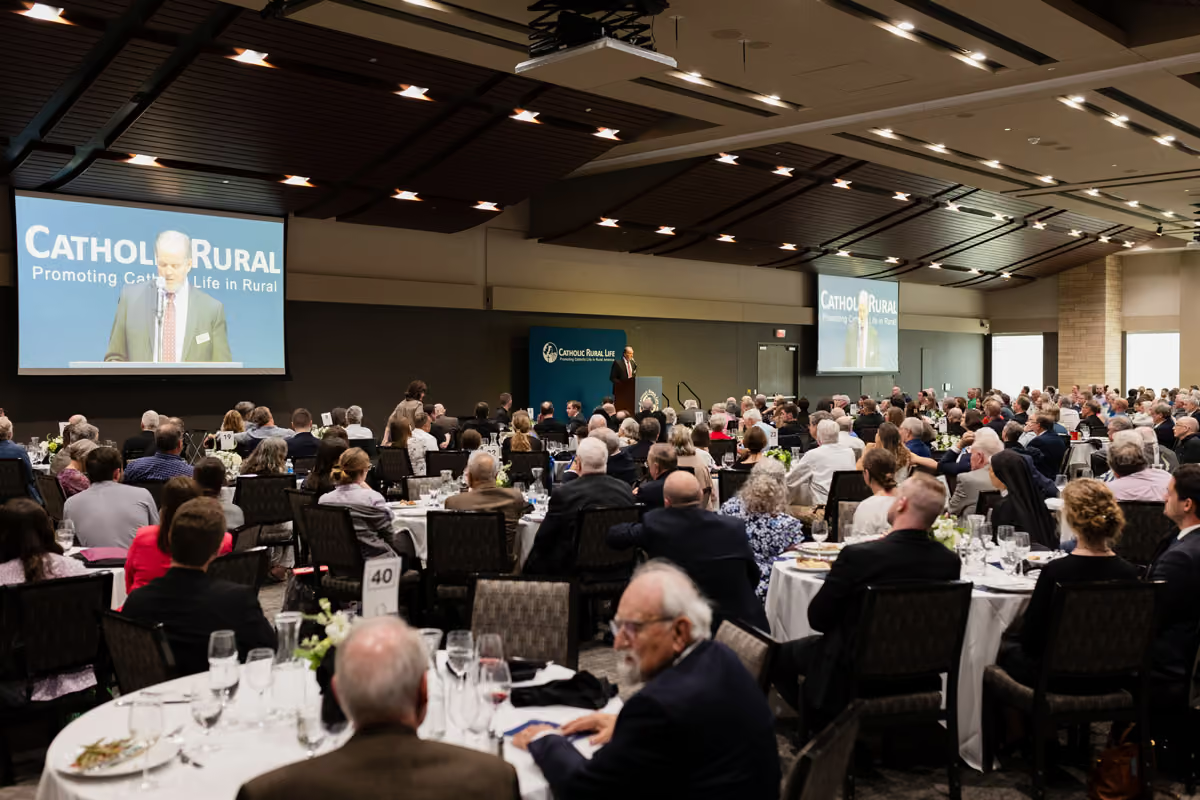
A century after our founding, Catholic Rural Life is still serving as a lifeline for rural Catholics, providing the resources and encouragement they need to flourish in their faith where they are planted.
With the launch of the Mustard Seed Project, we have begun sharing the story of rural life in new and compelling ways. Through feature-length documentaries, short-form video, articles, and podcast content, this new initiative will bring greater attention to the beauty, challenges, and enduring importance of rural communities. It will create new opportunities to reach new people with the witness of rural Catholics and build stronger support for the communities that have long been the bedrock of our nation.